



Calcium Channel Inhibitor
-
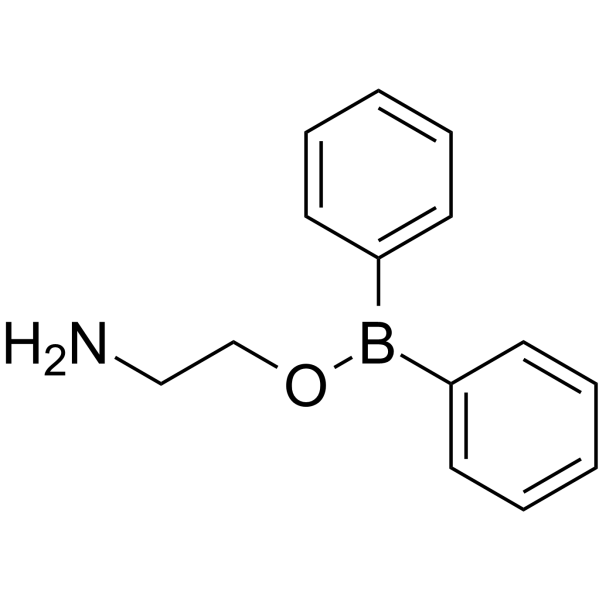
2-Aminoethyl diphenylborinate
 0 ImagesSynonyms: 2-APB
2-Aminoethyl diphenylborinate (2-APB) is a cell-permeable inhibitor of Inositol triphosphate receptor (IP3R). 2-Aminoethyl diphenylborinate also inhibits the store-operated Ca2+ (SOC) channel and activates some TRP channels (V1, V2 and V3). Additionally, 2-Aminoethyl diphenylborinate has inhibitory effects on vasospasm. At high concentrations, it exhibits specific anti-inflammatory and antioxidant effects in neural tissue.
-
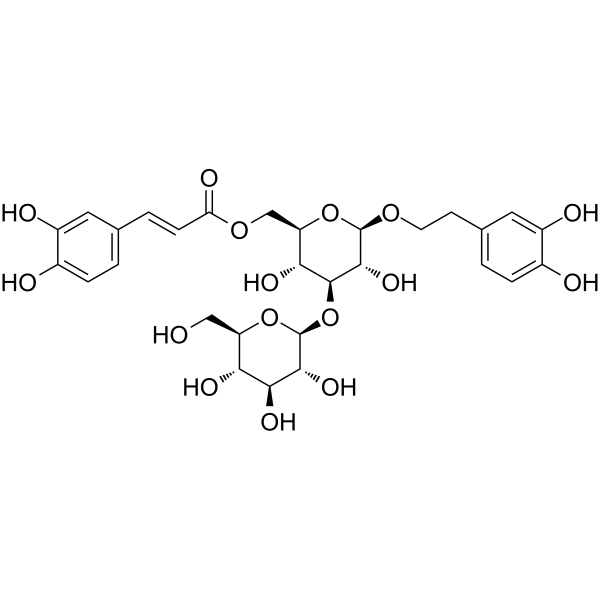
Plantainoside D
 0 Images
Plantainoside D, a phenylethanoid glycosides, is a IKK-β inhibitor with diverse biological activities. Plantainoside D shows inhibitory activity of angiotensin-converting enzyme (ACE) with an IC50 of 2.17 mM. Plantainoside D significantly reduces the release of glutamate from nerve terminals in the cerebral cortex of rats by inhibiting the voltage-dependent calcium channel (VDCCs) and protein kinase C (PKC) signaling cascade. Plantainoside D significantly alleviates cell apoptosis by inhibiting the generation of ROS and the activation of NF-κB. Plantainoside D significantly improves acute lung injury (ALI) induced by sepsis by regulating the Sirt3/NLRP3 signaling pathway. Plantainoside D can be used for the study of neuroprotection, antioxidant, anti-inflammation, antihypertension.
-
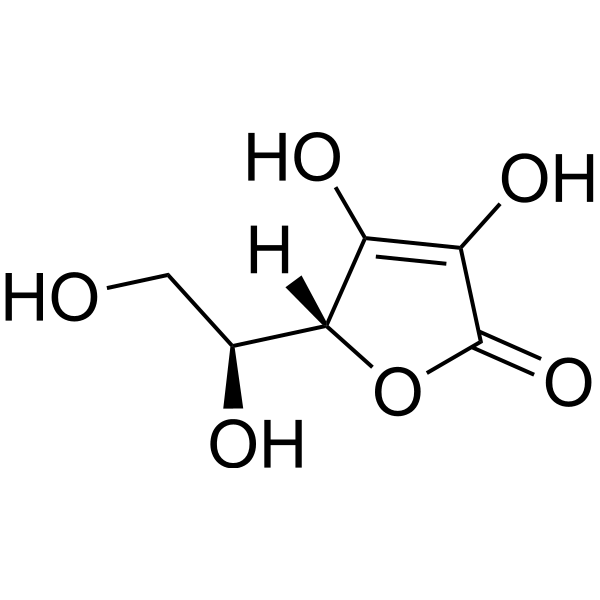
L-Ascorbic acid (GMP)
 0 Images
L-Ascorbic acid (L-Ascorbate) (GMP) is Ascorbic acid (HY-B0166) produced by using GMP guidelines. GMP small molecules works appropriately as an auxiliary reagent for cell therapy manufacture. L-Ascorbic acid is an inhibitor of Cav 3.2 channels.
-
Carbamazepine
 0 Images
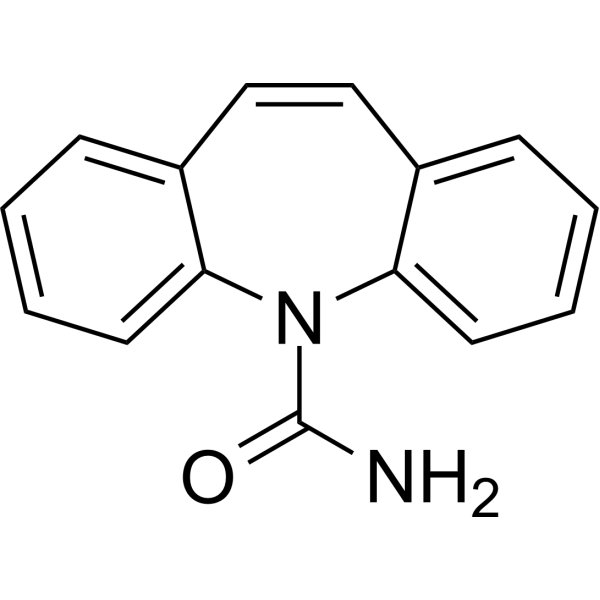
Carbamazepine is an orally active pressure-sensitive sodium ion channel blocker with an IC50 of 131 μM. Carbamazepine blocks voltage gated Na+, Ca2+, and K+ channels, and is also a HDAC inhibitor (IC50: 2 μM). Carbamazepine is an anticonvulsant and can be used for research of epilepsy and neuropathic pain.
-
Spironolactone
 0 Images
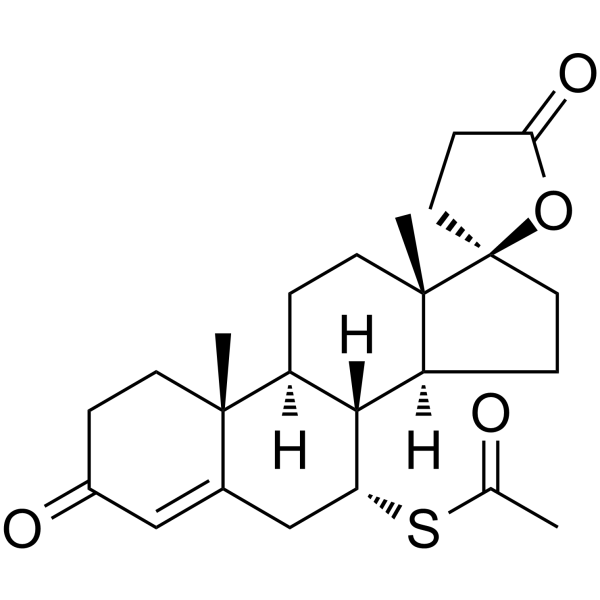
Spironolactone is an aldosterone antagonist that acts on the aldosterone mineralocorticoid receptor (IC50=24 nM) and androgen receptor (IC50=77 nM), promotes podocyte autophagy and regulates pain. Spironolactone improves hypertension-related vascular hypertrophy and remodeling by reducing angiotensin II (Ang II)-induced inflammation, reduces aldosterone-induced vascular and soft tissue calcification through PIT1-dependent signaling, and alleviates vascular dysfunction in type II diabetic mice by reducing oxidative stress and restoring NO/GC signaling; at low concentrations, it and its metabolites can interfere with aldosterone biosynthesis in the adrenal cortex and inhibit voltage-dependent Ca2+ channels to exert antihypertensive effects.
-
Nimodipine
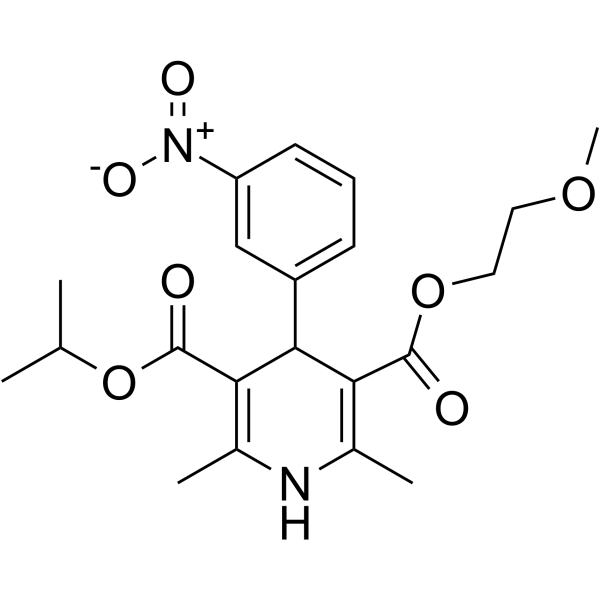 0 ImagesSynonyms: BAY-e 9736
Nimodipine (BAY-e 9736) is an orally active, well-tolerated and light-sensitive dihydropyridine calcium antagonist. Nimodipine can be used for the research of cerebrovascular disorders.
-
Dantrolene
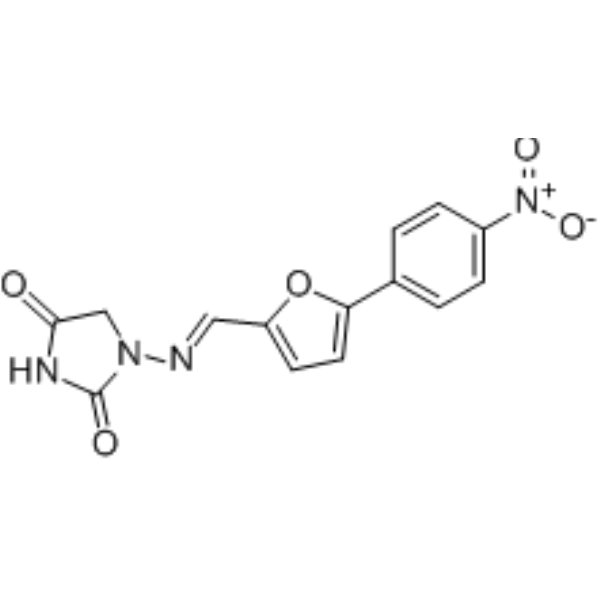 0 Images
Dantrolene is an orally active, non-competitive glutathione reductase inhibitor with a Ki of 111.6 μM and an IC50 of 52.3 μM. Dantrolene is also a calcium channel protein inhibitor. Dantrolene inhibits the release of Ca2+ from RyR1 and RyR3, which can be beneficial in a variety of pathologies caused by disruptions in calcium homeostasis (e.g., stroke, ischemia/reperfusion injury, and neurodegenerative diseases). Dantrolene offers relief of muscle spasms, malignant hyperthermia, and antitoxic, antipyretic, and anti-inflammatory properties.
-
Xestospongin C
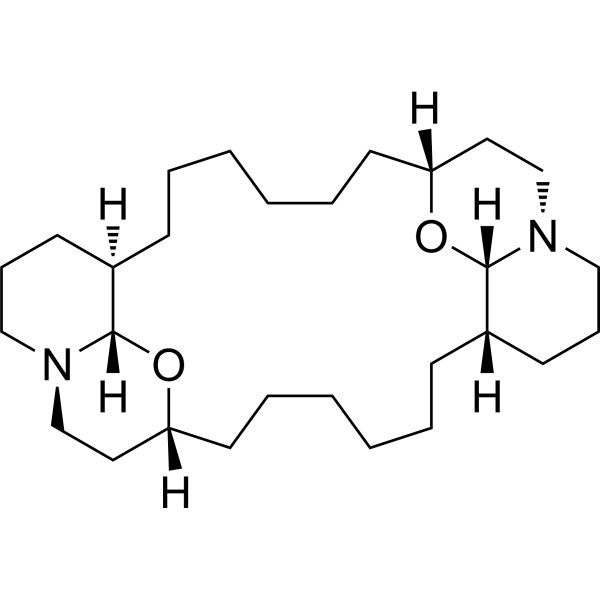 0 ImagesSynonyms: (-)-Xestospongin C
Xestospongin C ((-)-Xestospongin C) is a selective, reversible inositol 1,4,5-trisphosphate receptor (IP3R) inhibitor. Xestospongin C acts as an inhibitor of the sarcoplasmic/endoplasmic reticulum Ca2+ ATPase (SERCA) pump of internal stores. Xestospongin C blocks IP3-induced Ca2+ release from cerebellar microsomes with an IC50 of 358 nM. Xestospongin C is a valuable tool for investigating the structure and function of IP3Rs and Ca2+ signaling in neuronal and nonneuronal cells.
-
SKF-96365 (hydrochloride)
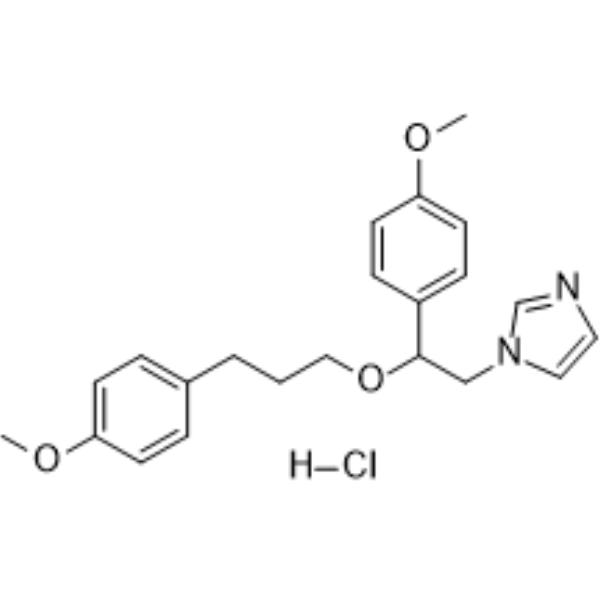 0 Images
SKF-96365 hydrochloride is a TRPC channel antagonist and store-operated calcium entry (SOCE) inhibitor. SKF-96365 hydrochloride reduces calcium ion influx by inhibiting the activity and expression of TRPC6, STIM1 and Orai1. SKF-96365 hydrochloride inhibits voltage-gated sodium current (cardiac INa/NaV1.5) and slows myocardial conduction. SKF-96365 hydrochloride inhibits phosphorylation/activation of CaMKIIγ and suppresses the downstream AKT signaling pathway. SKF-96365 hydrochloride induces G2/M phase cell cycle arrest, apoptosis and cytoprotective autophagy in colorectal cancer cells. SKF-96365 hydrochloride alleviates allergic rhinitis symptoms by reducing inflammatory cytokine levels. SKF-96365 hydrochloride reduces intracellular calcium overload, inhibits Homer1 expression, prevents nuclear damage and suppresses apoptosis. SKF-96365 hydrochloride inhibits the growth of colorectal cancer xenografts in nude mice. SKF-96365 hydrochloride is applicable to research related to allergic rhinitis, colorectal cancer, Parkinson's disease, persistent spontaneous nociception and hyperalgesia.
-
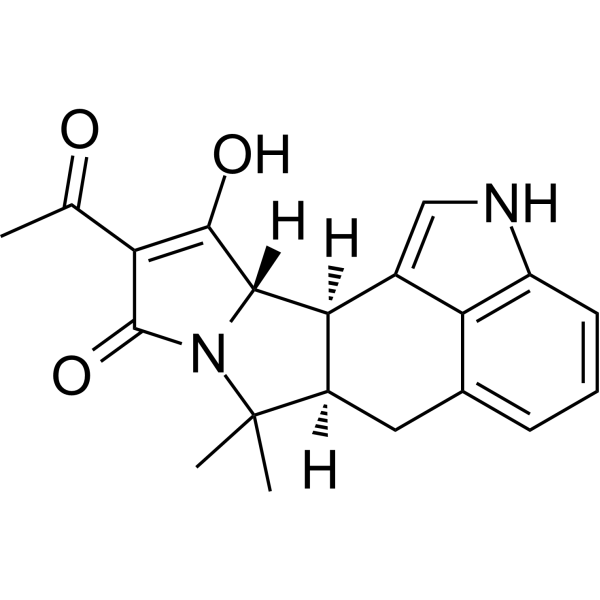
Cyclopiazonic acid
 0 Images
Cyclopiazonic acid is an endoplasmic reticulum calcium ATPase (ECAs) inhibitor and human respiratory syncytial virus (RSV) inhibitor (EC50 value of 4.13 μ M), which can reduce the antagonistic effect of 5-HT receptors in rat thoracic aorta, induce p53 dependent cell apoptosis and reproductive toxicity in mouse testes, and inhibit the biological activation of aflatoxin B[1][4][5].
-
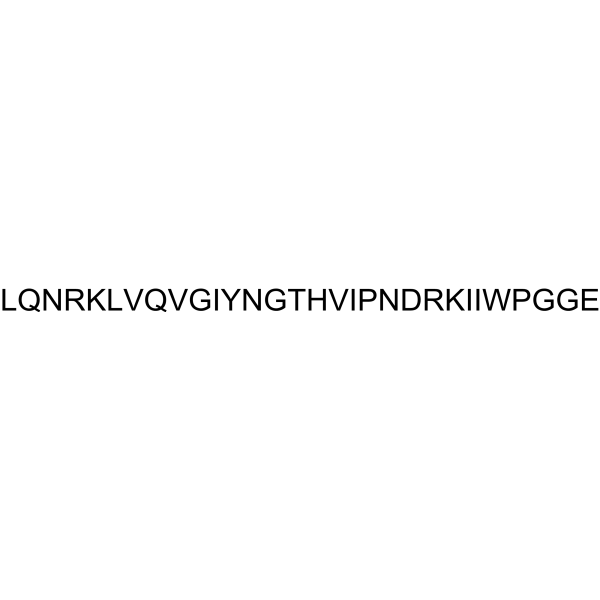
GluN1(356-385)
 0 ImagesCat. No.: HY-P5912Purity: 99.95%
GluN1 (356-385) is a polypeptide targeting NMDAR GluN1. GluN1 (356-385) induces the production of autoantibodies, which reduce the density of cell surface NMDAR clusters, impair long-term potentiation, and decrease NMDAR-mediated Ca2+ influx. As an immunogen, GluN1 (356-385) induces symptoms similar to anti-NMDAR encephalitis, including memory loss, in mice. GluN1 (356-385) can be used to establish a mouse model that mimics the pathogenesis of anti-NMDAR encephalitis. GluN1 (356-385) is applicable to research related to anti-NMDAR encephalitis.
-
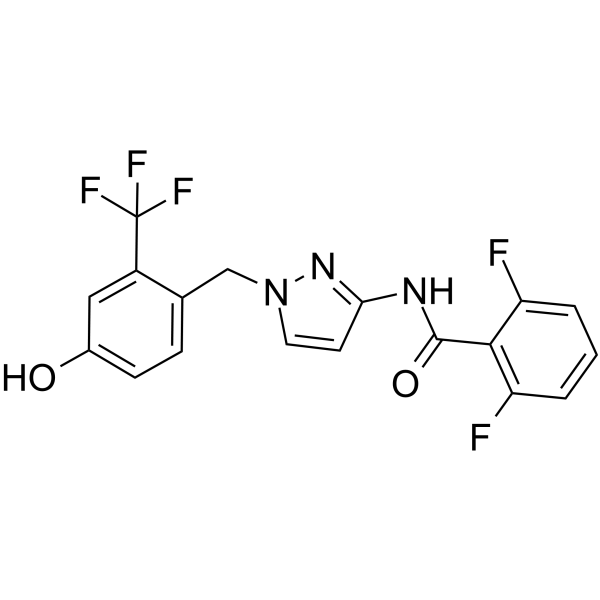
L-Ascorbic acid (Standard)
 0 ImagesSynonyms: L-Ascorbate (Standard); Vitamin C (Standard)
L-Ascorbic acid (Standard) is the analytical standard of L-Ascorbic acid. This product is intended for research and analytical applications. L-Ascorbic acid (L-Ascorbate), an electron donor, is an endogenous antioxidant agent. L-Ascorbic acid inhibits selectively Cav3.2 channels with an IC50 of 6.5 μM. L-Ascorbic acid is also a collagen deposition enhancer and an elastogenesis inhibitor. L-Ascorbic acid exhibits anti-cancer effects through the generation of reactive oxygen species (ROS) and selective damage to cancer cells.
-
Tris(2-chloroethyl) phosphate
 0 Images
Tris(2-chloroethyl) phosphate (TCEP) is a widely used organic phosphorus flame retardant, mainly used as a plasticizer. Tris(2-chloroethyl) phosphate has orally active hepatotoxicity, inducing an increase in reactive oxygen species (ROS) and calcium ions (Ca2+) influx, a decrease in mitochondrial membrane potential (△Ψm), and causing DNA damage and cell apoptosis. Tris(2-chloroethyl) phosphate directly binds to FXR, inducing obesity and the formation of fatty liver in mice. Chloroethyl) phosphate activates the TLR4/NF-κB pathway, triggering liver inflammation.
-
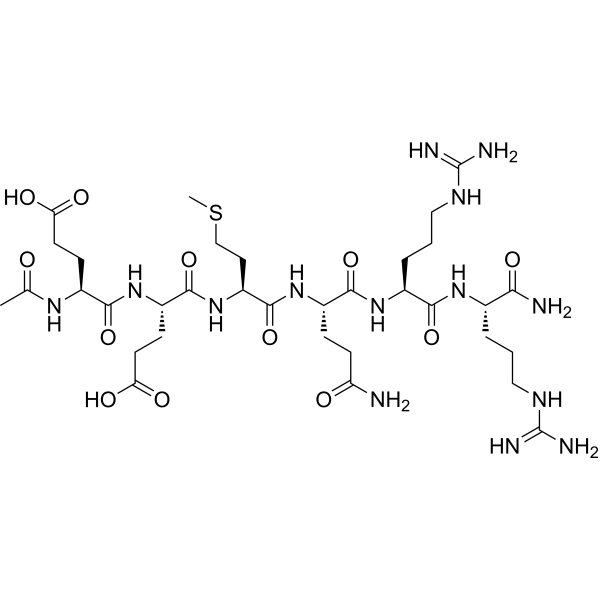
Argireline
 0 ImagesSynonyms: Acetyl hexapeptide-3; Acetyl hexapeptide-8
Argireline (Acetyl hexapeptide-3) is a non-toxic, skin-permeable, antiwrinkle peptide. Argireline significantly inhibits Ca2+ dependent neurotransmitter release (acetylcholine) at the neuromuscular junction. Argireline has antiwrinkle and anti-aging activity.
-
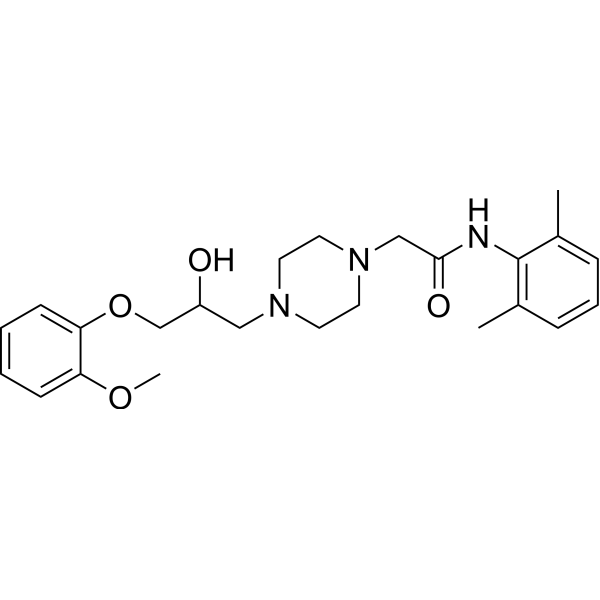
Ranolazine
 0 ImagesSynonyms: CVT 303; RS 43285-003
Ranolazine (CVT 303) is an anti-angina drug that achieves its effects by inhibiting the late phase of inward sodium current (INa and IKr with IC50 values of 6 μM and 12 μM, respectively) without affecting heart rate or blood pressure (BP). Ranolazine is also a partial fatty acid oxidation (FAO) inhibitor. Antianginal agent.
-
Eloralintide sodium
 0 ImagesCat. No.: HY-P10798APurity: 99.92%Synonyms: LY-3841136 sodium
Eloralintide sodium is an Amylin Receptor agonist. Eloralintide sodium selectively activates AMY1R and AMY3R in cells expressing human or rat AMY1R, AMY3R or CTR. Eloralintide sodium activates AMYRs and CTR in rats, inducing a sustained decrease in plasma Ca2+ levels. Eloralintide sodium reduces appetite and body weight in both lean and obese rats. Eloralintide sodium can be used for research related to obesity.



